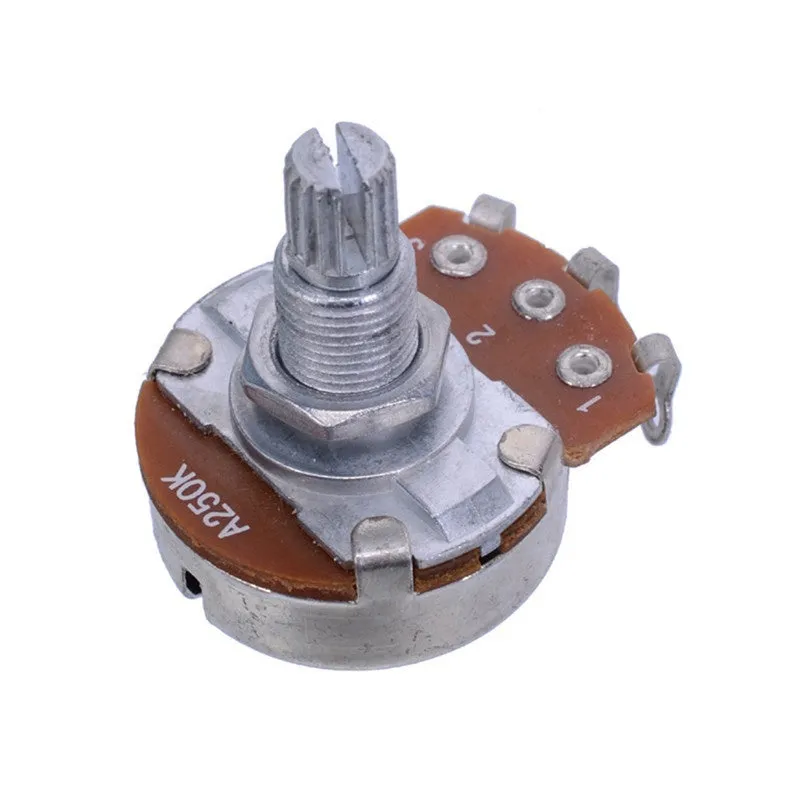
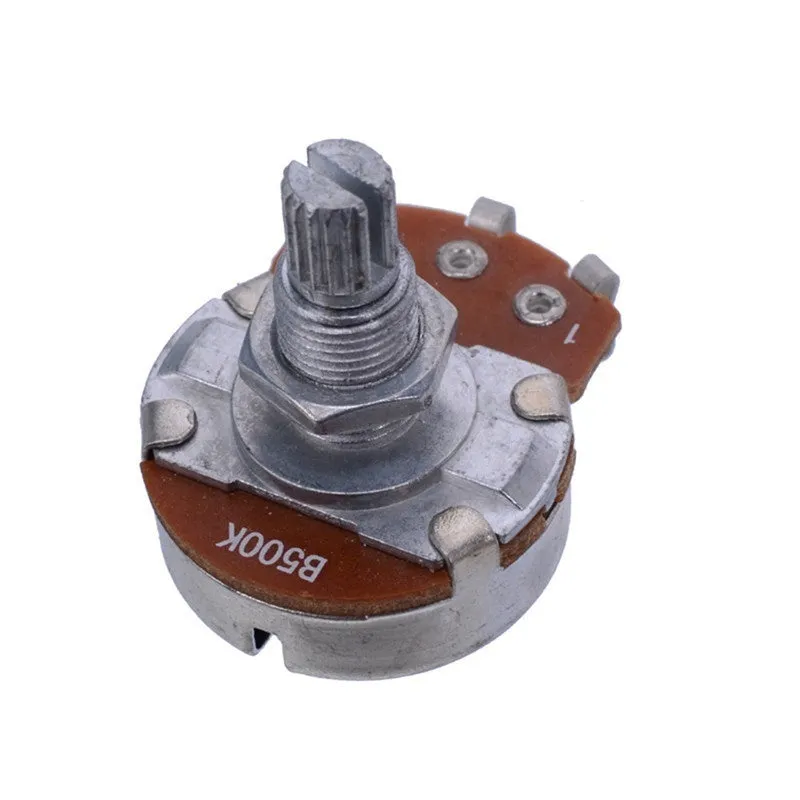
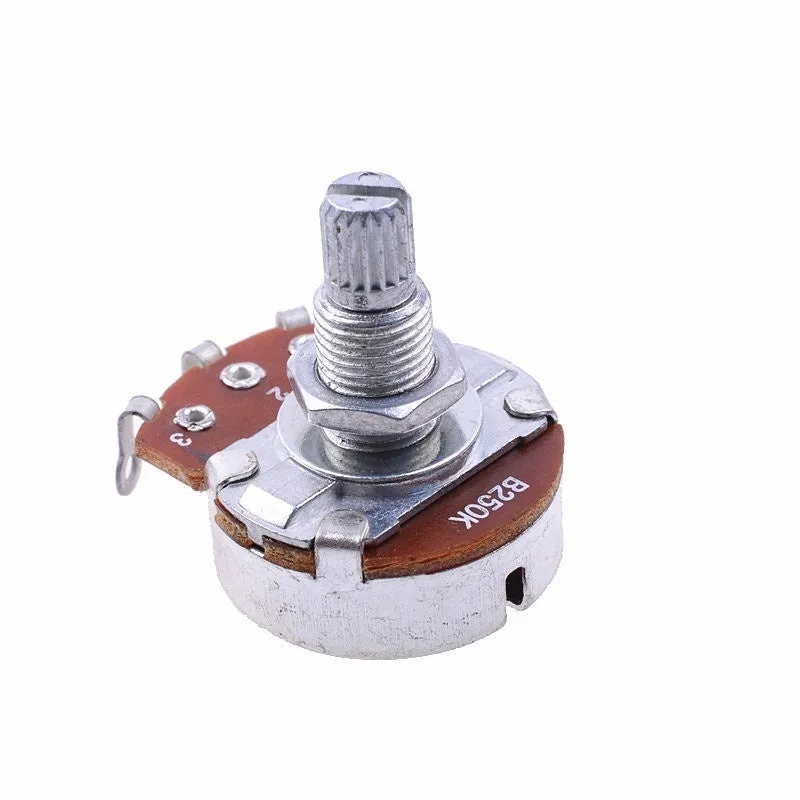
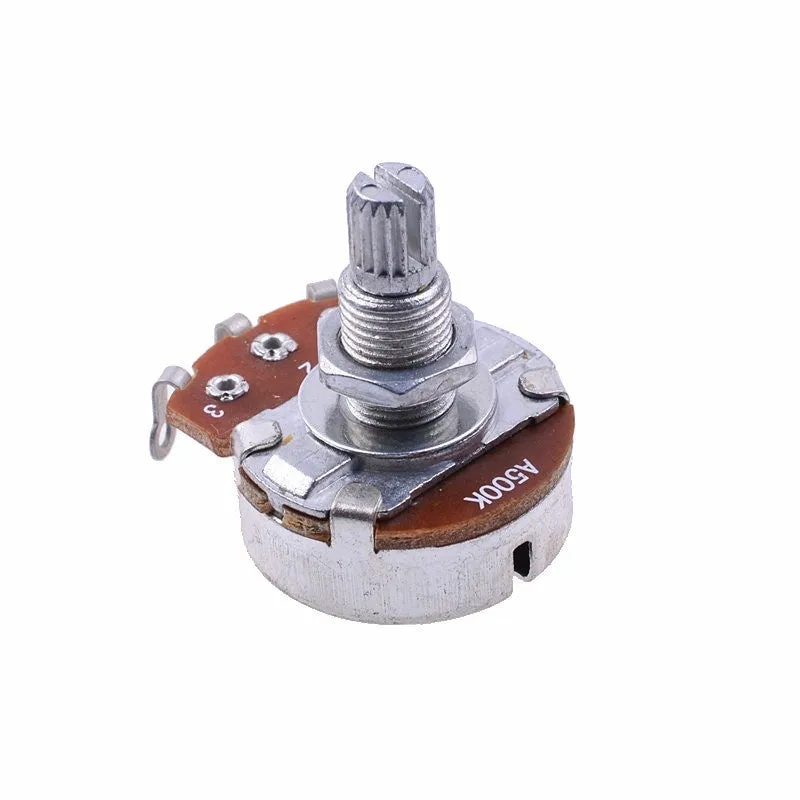
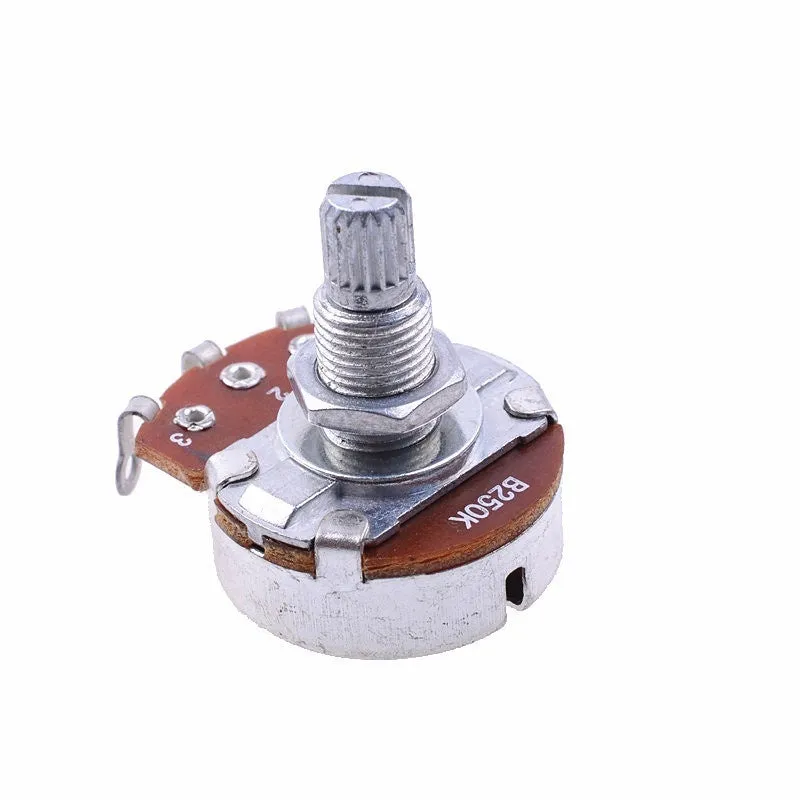
Electric guitar potentiometer knob replacement part in metal construction with four resistance options including A250K tone, A500K tone, B250K volume, and B500K volume for instrument repair and customisation


Electric guitar potentiometer knob replacement part in metal construction with four resistance options including A250K tone, A500K tone, B250K volume, and B500K volume for instrument repair and customisation
Metal Electric Guitar Potentiometer Knob for Instrument Repair and Customisation

This solid metal potentiometer knob serves as a functional replacement component for electric guitars and similar musical instruments. It addresses a common maintenance issue where original control knobs become loose, cracked, or go missing entirely, compromising the instrument's playability and aesthetic. By providing a direct-fit metal alternative, this part allows musicians and technicians to restore full control over tone and volume settings efficiently. The availability of four specific electrical configurations ensures compatibility with a range of common guitar wiring layouts, making it a versatile item for workshop use.
Features and Construction
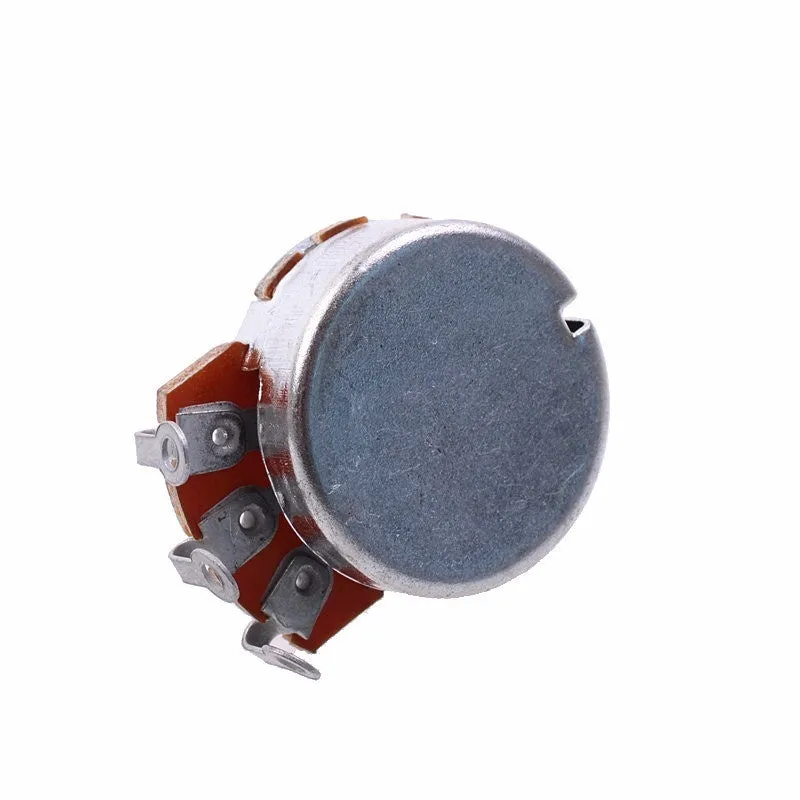
Designed purely as a replacement part, this knob focuses on practical compatibility and straightforward installation. Its construction and specifications are geared towards solving a specific hardware problem rather than offering stylistic variations.
Material and Build
The knob is made from metal, which provides the necessary weight and rigidity for secure handling during adjustments. This material choice results in a component that feels substantial in use and can withstand the repeated turning involved in tone and volume control. The internal mounting mechanism is designed to fit standard splined potentiometer shafts commonly found on electric guitars, ensuring a snug fit that prevents slippage during performance.
Size and Practical Fit
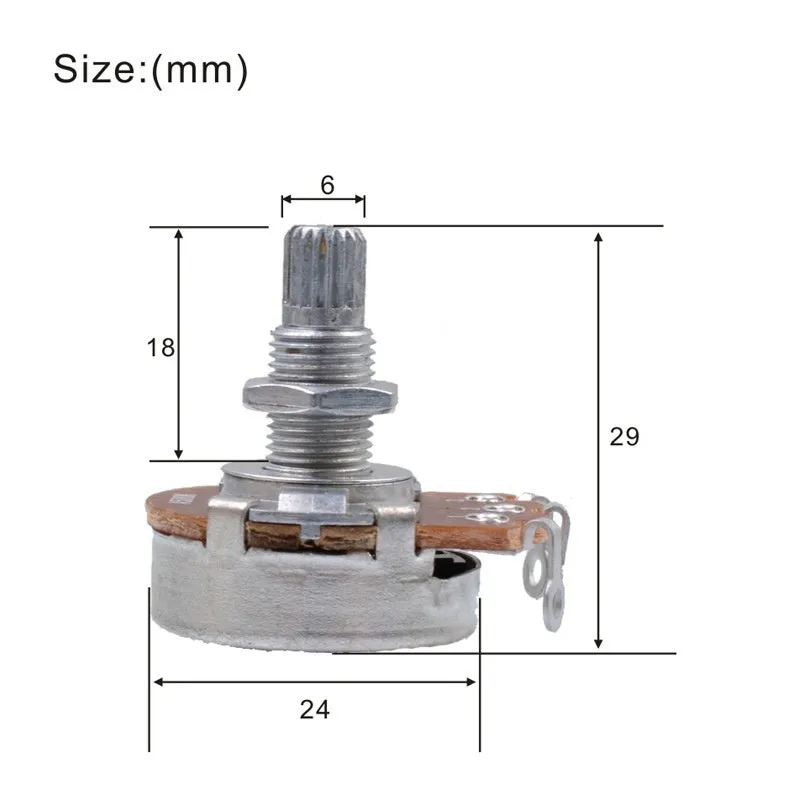
Supplied as a single unit, this knob is intended for targeted replacement work. The focus is on providing one correct component rather than a multi-pack, which is suitable for repairing a specific control on an instrument. This approach supports precise matching to an existing circuit's requirements, as the user must select the exact resistance value (A250K, A500K, B250K, or B500K) needed before purchase.
Uses and Placement
This component has a clear, defined role within instrument maintenance and modification. Its use is tied directly to the functionality of electric guitar electronics.
Event or Professional Use
For working musicians or touring technicians, having reliable replacement parts on hand is essential. A failed or missing knob during a soundcheck or performance can disrupt proceedings. This metal knob offers a quick, durable fix that can be installed with minimal tools, getting an instrument stage-ready again. Its standardised fit means it can service a wide array of guitar makes and models that use common potentiometer types.
Everyday Home Use
For home players, hobbyists, or those restoring older instruments, this knob enables basic guitar upkeep without requiring specialist soldering or electronics knowledge. Replacing a cracked plastic knob with a metal one can improve the instrument's feel and longevity. It also allows for simple customisation, such as standardising the look of all controls on a guitar if the original knobs were mismatched.
Benefits and Buying Value
The value of this product lies in its specificity and functional purpose. It is not a generic accessory but a component with defined technical parameters.
Reuse and Low Maintenance
By replacing only the knob itself and not the entire potentiometer, this part supports a more economical and less invasive repair. The underlying electronic component often remains fully functional; only the user interface (the knob) needs renewal. This approach reduces waste and keeps repair costs down. The metal construction is inherently robust and resistant to cracking or breaking under normal use, which should minimise the need for repeated replacements.
Why Choose This Product
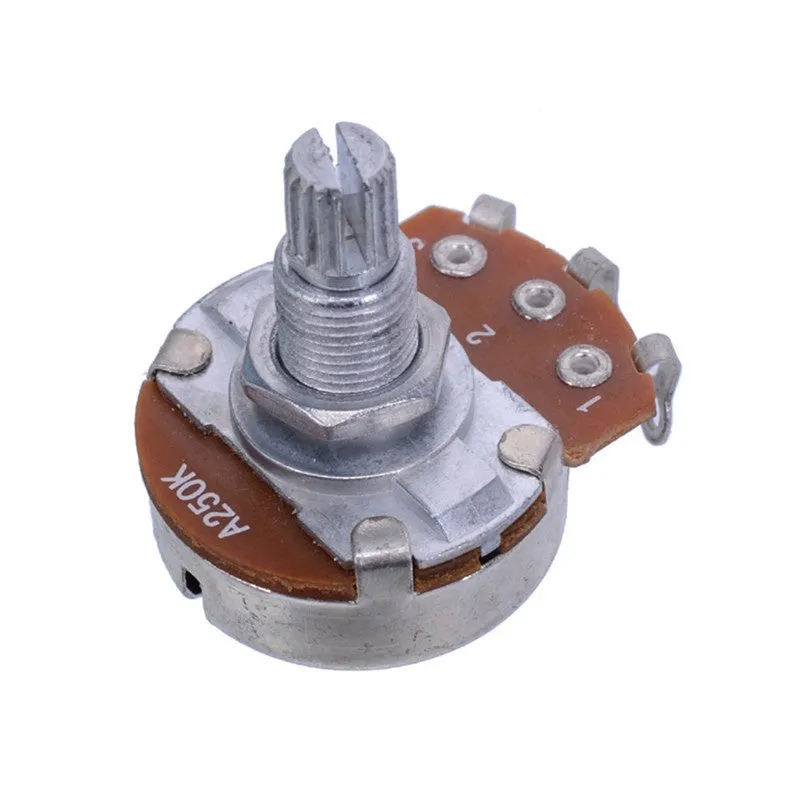
This knob is chosen for its precise technical matching. The four listed resistance options (A250K Tone, A500K Tone, B500K Volume, B250K Volume) correspond to common values in guitar wiring, allowing users to select the correct part for their specific circuit. This specificity is more useful than a generic, one-size-fits-all knob that may not electrically match the existing setup. The metal build offers a practical durability advantage over cheaper plastic alternatives that can degrade with time and use.