
Thermal Conductivity Tester for diamond identification and gem hardness testing, second generation diamond thermal conductivity meter with metal probe, compact handheld device measuring 135x40x23 mm, powered by 9V battery with 66 gram lightweight design


Thermal Conductivity Tester for diamond identification and gem hardness testing, second generation diamond thermal conductivity meter with metal probe, compact handheld device measuring 135x40x23 mm, powered by 9V battery with 66 gram lightweight design
Second Generation Portable Diamond Thermal Conductivity Meter for Gem Identification
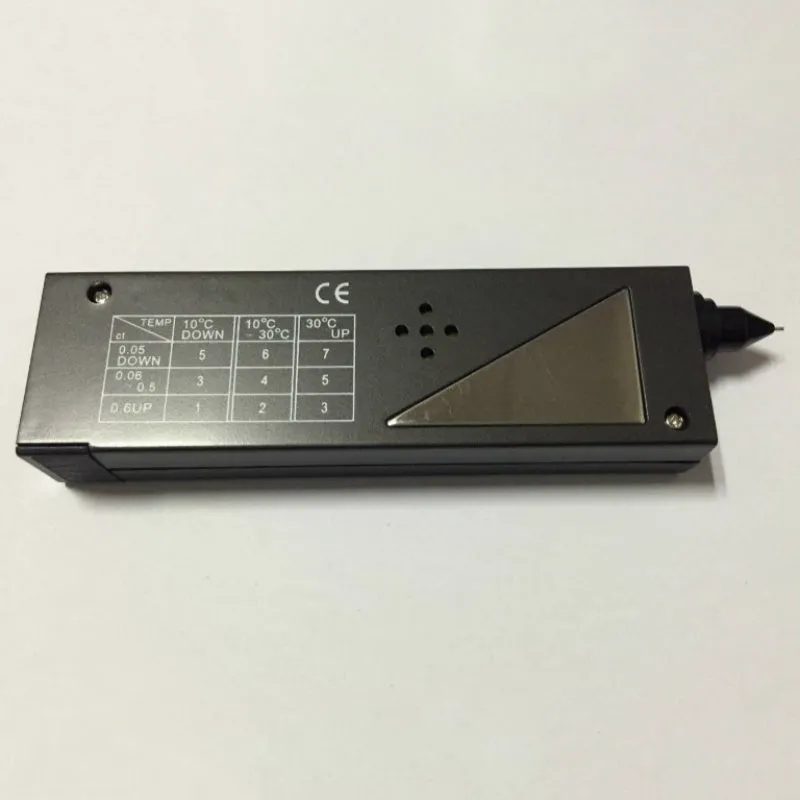
This handheld thermal conductivity tester represents a practical tool for jewellers, pawnbrokers, and gem enthusiasts needing a quick, on-site method to verify diamond authenticity. It operates on the established principle that diamond possesses uniquely high thermal conductivity compared to many common simulants. The device provides an immediate, unambiguous result through a combination of ten indicator lights and an audible signal, offering a straightforward alternative to more complex laboratory analysis for initial screening. Its compact form and battery power make it suitable for use in workshops, at trade shows, or during client consultations where portability is key.
Features and Construction

The core functionality of this tester is built around accurate thermal measurement in a user-friendly package. Its design prioritises reliable contact for testing and ease of handling during repeated use.
Material and Build
The instrument utilises a dual-material construction. Metal is employed for the crucial functional components: the probe that contacts the gemstone and the plate on the rear for user contact. This ensures optimal thermal transfer for an accurate reading. The main housing is fabricated from engineering plastic, which provides a durable yet lightweight frame for the internal electronics, contributing significantly to the overall device weight of just 66 grams without the battery.
Size and Practical Fit
Designed for handheld operation, the tester has compact dimensions of 135 mm in length, 40 mm in width, and 23 mm in height. This size allows it to fit comfortably in one hand, facilitating precise probe placement on stones. The lightweight build minimises hand fatigue during multiple tests, which is beneficial in professional settings where numerous items might need checking in a single session.
Uses and Placement
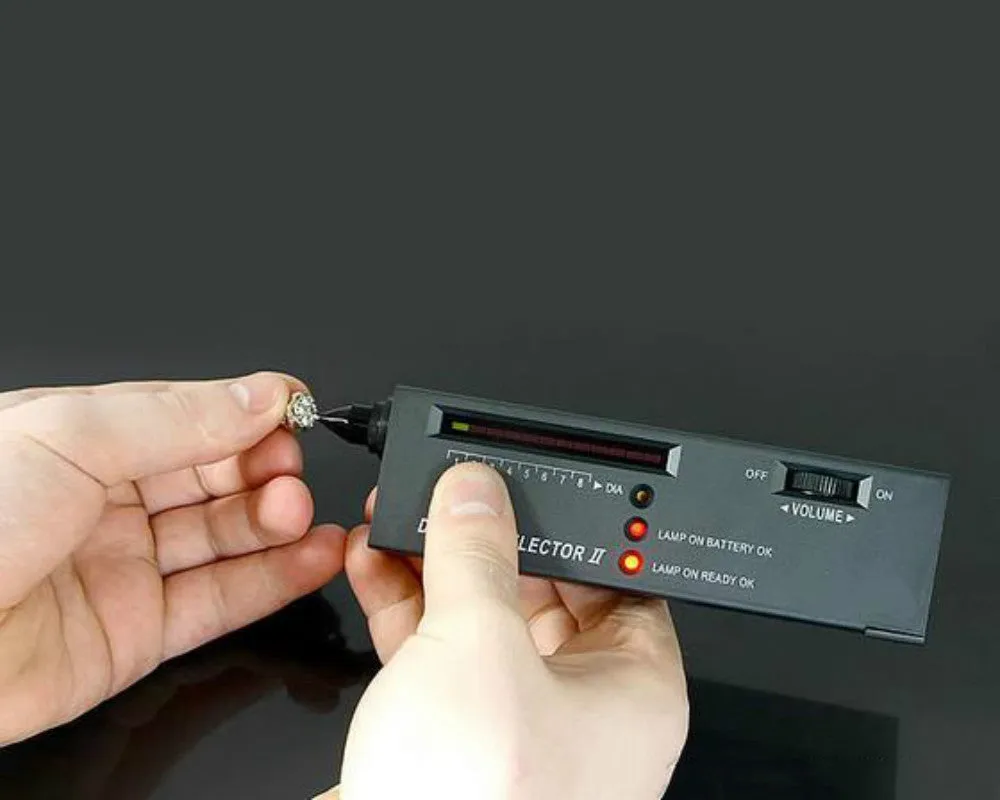
The primary application for this device is in the jewellery and gemstone trade, serving specific needs for verification and appraisal.
Event or Professional Use
For professional jewellers, auction house staff, or pawnbrokers, this tester offers a rapid preliminary check during item intake or valuation. Its portability means it can be used directly at a sales counter or in a client meeting room without requiring the customer to leave the item for lab testing. The clear pass/fail result (ten lights and a beep) provides a simple, defensible initial assessment before deciding if further, more expensive lab certification is warranted.
Everyday Home Use
For private collectors or individuals inheriting or purchasing jewellery, the device offers a degree of reassurance. It allows for checking stones in rings, pendants, or loose gemstones at home. The battery-powered operation means no special power outlets are needed, and the straightforward procedure—touching the probe to the stone—requires no technical expertise to perform, making it accessible for non-professionals seeking basic verification.
Benefits and Buying Value

The value of this instrument lies in its specific function, practical design, and the convenience it offers over alternative methods.
Reuse and Low Maintenance
As a durable electronic tool, it is designed for repeated use over time with minimal upkeep. Maintenance involves primarily ensuring the metal probe and contact plate remain clean for accurate readings and replacing the standard 9V battery as needed. There are no consumables required for each test, making the ongoing cost of operation very low after the initial purchase.
Why Choose This Product
This thermal conductivity tester provides a focused solution for a specific problem: quickly screening for diamond authenticity. Its advantages include a definitive visual and audible output, a compact and lightweight form factor for easy transport, and simple battery power for flexibility. It fills a niche between simple visual inspection and costly laboratory services, offering a middle ground of technical verification that is both accessible and immediately actionable for a range of users.

