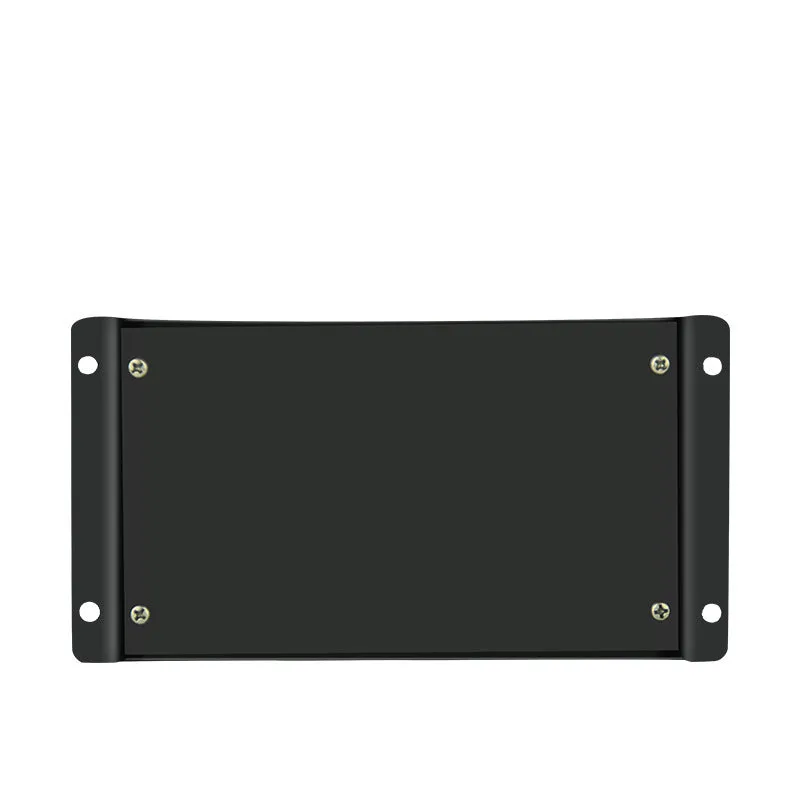
Solar LCD Charge and Discharge Controller with PWM Charging Management and Over-Current Protection for 12V 24V Lead-Acid Batteries 10A 20A 30A 50A 60A Options Flat Well-Ventilated Installation


Solar LCD Charge and Discharge Controller with PWM Charging Management and Over-Current Protection for 12V 24V Lead-Acid Batteries 10A 20A 30A 50A 60A Options Flat Well-Ventilated Installation
Solar LCD Charge and Discharge Controller with PWM Charging and Self-Healing Protection for 12V 24V Lead-Acid Batteries
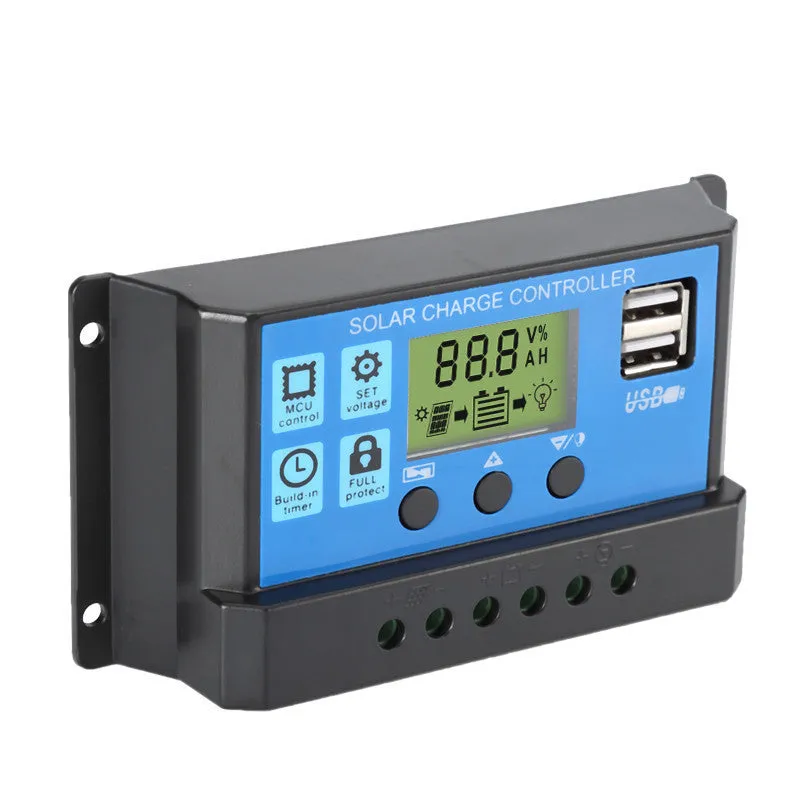
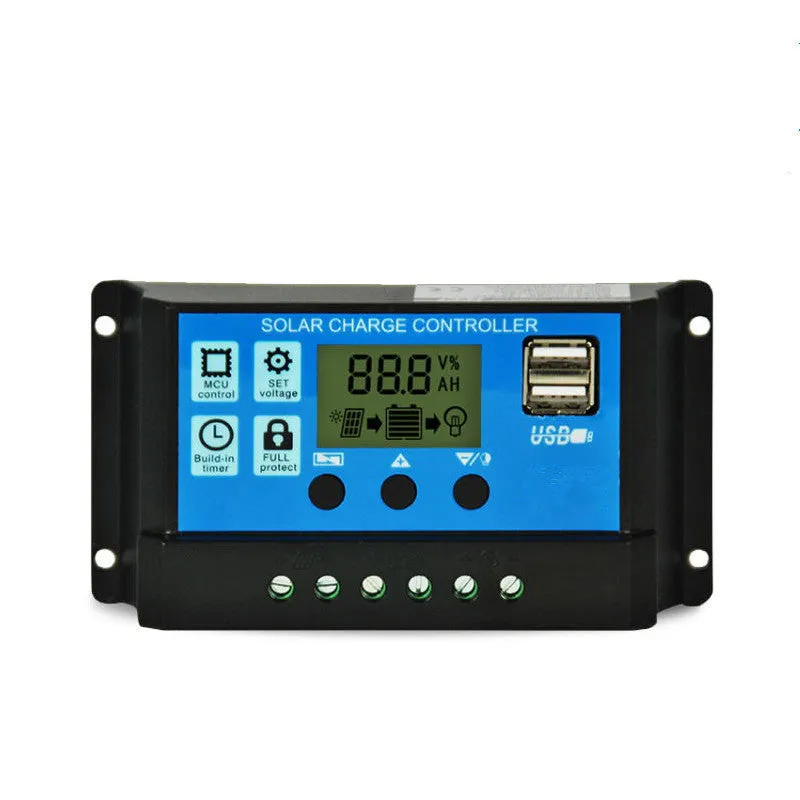
Managing solar power in off-grid or backup systems often comes down to reliable battery charging and clear monitoring. This Solar LCD Charge and Discharge Controller addresses both needs directly with automatic voltage detection for 12V or 24V lead-acid batteries and a large LCD display that lets you adjust charge and discharge parameters in real time. The controller uses industrial-grade components and complete 3-stage PWM charging management to regulate the flow from photovoltaic panels without overcomplicating the setup. Built-in over-current, short-circuit, open-circuit, and reverse connection protection are all self-healing, meaning they reset automatically without damaging the unit. A dual MOS anti-backflow circuit keeps heat output ultra-low, even during sustained operation. Available in five current ratings from 10A up to 60A, this unit gives you flexibility to match your solar array size. Proper installation near the battery on a flat, ventilated surface ensures stable voltage sensing and long-term reliability.
Features and Construction
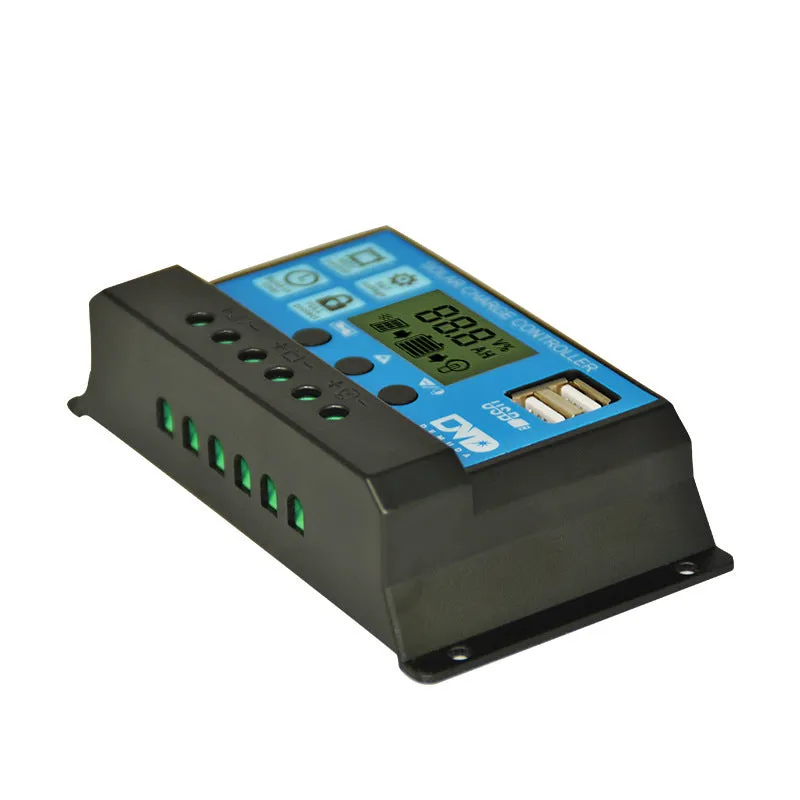
The controller is built around practical engineering choices that prioritise safety, reliability, and ease of use. Each element supports the core task of managing charge from solar panels to lead-acid batteries without requiring constant attention.
Industrial-Grade Master Chip
At the heart of the controller is an industrial-grade master chip that handles voltage detection, PWM regulation, and protection logic. This chip enables the controller to automatically determine whether the connected battery is a 12V or 24V lead-acid type, removing the need for manual switching during initial setup. The chip also coordinates the 3-stage PWM charging cycle, which adjusts the charge rate as the battery reaches full capacity to avoid overcharging.
Large-Screen LCD Display
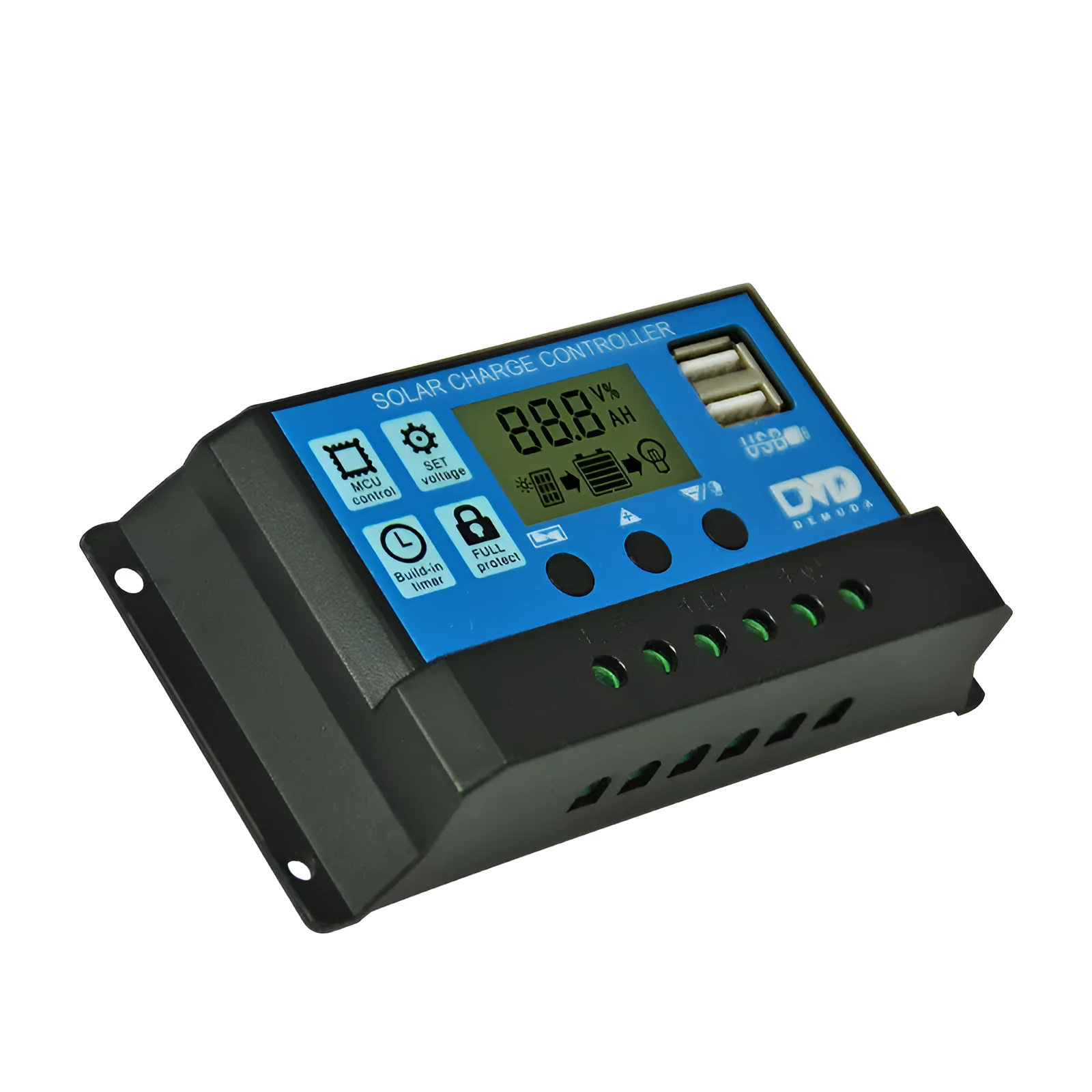
A large LCD screen shows current charge and discharge parameters, giving you direct visual feedback on system status. The display allows you to adjust charge and discharge setpoints manually, which is useful when fine-tuning the system for specific battery types or usage patterns. The screen is positioned for easy reading during setup and periodic checks, though the controller is designed to operate autonomously once configured.
Dual MOS Anti-Backflow Circuit
The dual MOS anti-backflow circuit prevents current from flowing backwards from the battery to the solar panel during low-light or night conditions. This design uses two metal-oxide-semiconductor field-effect transistors to block reverse current with minimal energy loss, which helps keep the controller running cool. The ultra-low heat output of this circuit means the unit can operate at higher currents without needing bulky heatsinks, as long as it is mounted on a flat, ventilated surface.
Protection and Safety Systems
Protection features on this controller are designed to handle common wiring mistakes and electrical faults without causing permanent damage. Each protection type uses a self-healing mechanism that resets automatically once the fault is cleared, which reduces downtime and the need for manual resets.
Over-Current and Short-Circuit Protection
If the current drawn from the controller exceeds its rated capacity, or if a short circuit occurs on the load side, the protection system activates and disconnects the output. Because the protection is self-healing, the controller will attempt to reconnect after the fault condition clears, without requiring a physical reset or replacement of internal fuses. This is particularly valuable in remote installations where physical access is limited.
Open-Circuit Protection
An open-circuit condition, such as a broken wire between the controller and battery, can cause voltage spikes that damage sensitive electronics. This controller includes open-circuit protection that monitors for such disconnections and safely shuts down the charging path until the circuit is restored. This also helps prevent damage to the solar panels and the battery when the controller is operating without a proper load.
Reverse Connection Protection
Connecting the battery or solar panel with reversed polarity is one of the most common installation errors. The reverse connection protection on this controller detects reversed leads and blocks current flow, preventing damage to the internal circuitry. Since the protection is self-healing, simply correcting the wiring restores normal operation without replacing the controller.
Installation and Compatibility
Correct installation directly affects how well the controller performs and how long the battery lasts. The source text provides specific guidance on placement, wiring, and acceptable battery types to ensure reliable voltage sensing and safe operation.
Battery Type and Voltage
This controller is designed exclusively for 12V and 24V lead-acid batteries, including open, sealed, and gel types. It automatically detects the battery voltage on first connection, provided the battery has sufficient charge to be recognised. Do not use this controller with lithium, nickel-hydrogen, or other battery chemistries, as the charging profile is specific to lead-acid and could cause damage or unsafe conditions.
Wiring and Placement
Install the controller as close to the battery as practical to keep wire runs short and avoid voltage drop, which can interfere with accurate voltage measurement. Mount the unit on a flat, well-ventilated surface because the controller generates heat during normal operation. The source text also specifies that only photovoltaic panels should be used as the charging source; do not connect DC power supplies or other charging sources to the solar input terminal.
Available Current Ratings
The controller is available in five specification options: 10A, 20A, 30A, 50A, and 60A. Choose the rating that matches the maximum current your solar array can produce under full sun. Using a controller rated below the array's current output may trigger the over-current protection or cause overheating. The higher-rated models suit larger panels or multiple panels connected in parallel.