
Pneumatic automatic transmission oil changer machine powered by 220W air pump motor for flushing fluid exchanges with 10L and 6L tank capacity options for garage and workshop use


Pneumatic automatic transmission oil changer machine powered by 220W air pump motor for flushing fluid exchanges with 10L and 6L tank capacity options for garage and workshop use
Pneumatic transmission oil changer with 220W motor and choice of 10L or 6L tank capacity

Designed to simplify the specific workshop task of changing automotive transmission fluid, this pneumatic oil changer operates on compressed air via its 220W motor. It removes the need for manual, gravity-fed draining and refilling, offering a more controlled and efficient method for this essential maintenance procedure. The machine is available in two distinct models differentiated by their tank oil filler capacity, allowing garages and independent mechanics to choose the unit that aligns with their service volume, whether for smaller jobs or larger fluid exchanges.
Features and Construction
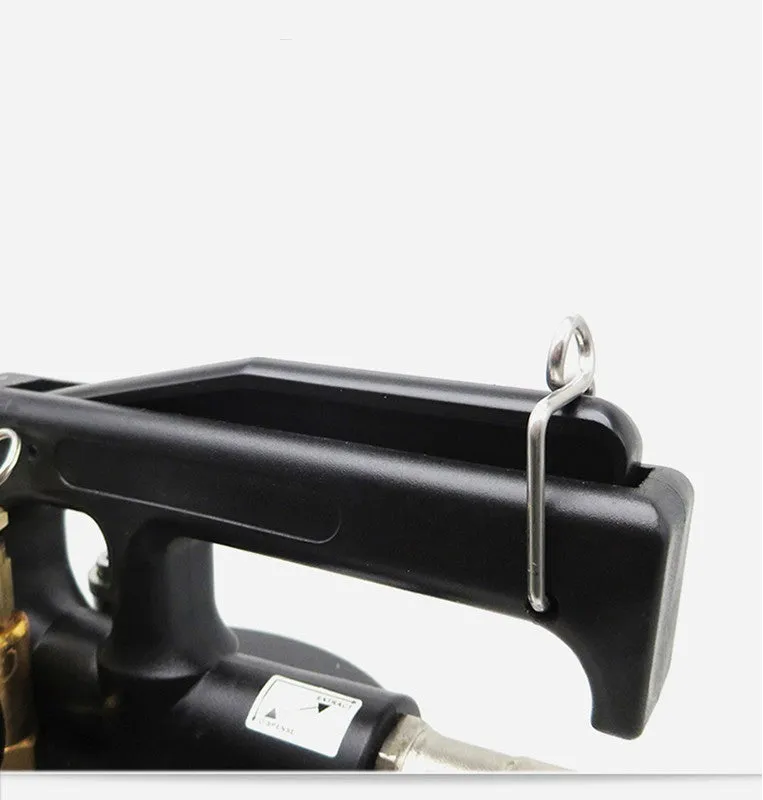
The core functionality of this machine is defined by its power source and its dedicated application. It is categorised specifically as a transmission oil changer, meaning its design parameters are focused on that single type of fluid service. This focus informs the construction of its components, such as the tank and associated fittings, to handle transmission oil effectively.
Material and Build
The source text does not provide specific details on the materials used in the construction of the machine's housing, tank, or internal mechanisms. However, the product's stated purpose as a pneumatic transmission oil changer implies the use of materials suitable for containing and transferring automotive fluids and withstanding the pressures involved in a compressed air system. The inclusion of a tank oil filler suggests a build that incorporates reservoirs, pumps, and connective hoses designed for this application.
Size and Practical Fit
The primary sizing information provided relates to operational capacity rather than physical dimensions. The machine is offered in two variants based on the volume its tank can hold: a 10L model and a 6L model. This choice directly impacts the amount of new fluid it can dispense or old fluid it can potentially extract in a single cycle, making it a key consideration for purchase based on expected job size. The physical footprint, weight, and portability are not detailed, which are factors to consider for workshop space planning.
Uses and Placement
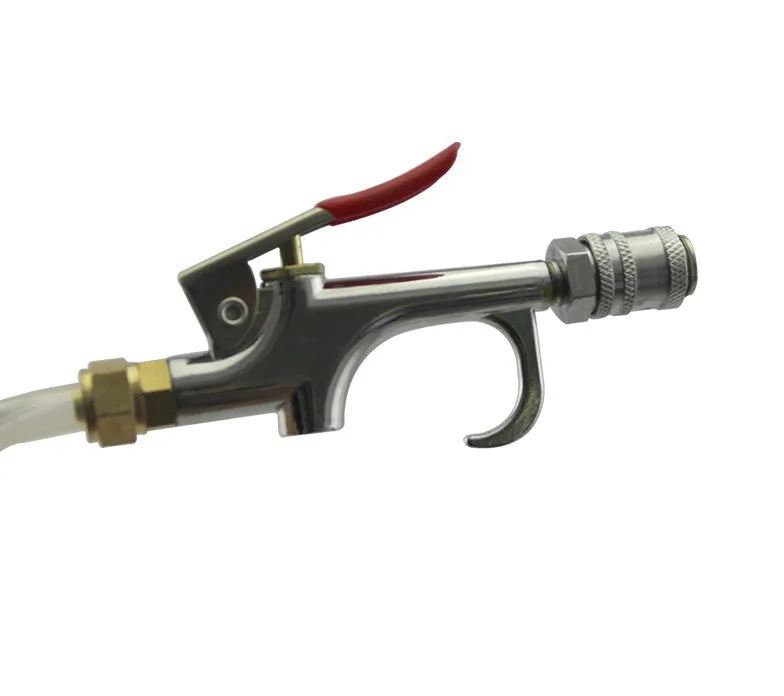
This tool has a clearly defined role within automotive maintenance environments. Its use is not generic; it is engineered specifically for servicing a vehicle's automatic transmission fluid, which requires complete draining and precise refilling to specified levels. This makes it a specialist piece of equipment for a common service procedure.
Event or Professional Use
In a professional setting such as a dedicated garage, automotive service centre, or fleet maintenance facility, this machine becomes a productivity tool. It allows technicians to perform transmission fluid changes more quickly and with less spillage compared to manual methods, potentially increasing the number of services completed in a day. The pneumatic operation means it can be integrated into workshops already equipped with a centralised compressed air system, avoiding the need for additional electrical circuits near potential fluid spills.
Everyday Home Use
For the DIY enthusiast or home mechanic with advanced capabilities and a well-equipped workshop space, this machine could be used for personal vehicle maintenance. However, its application is niche, focused solely on transmission work, and it requires a compatible compressed air source (an air compressor). It is less likely to be a general-purpose tool for casual home use compared to more versatile fluid extractors or pumps.
Benefits and Buying Value
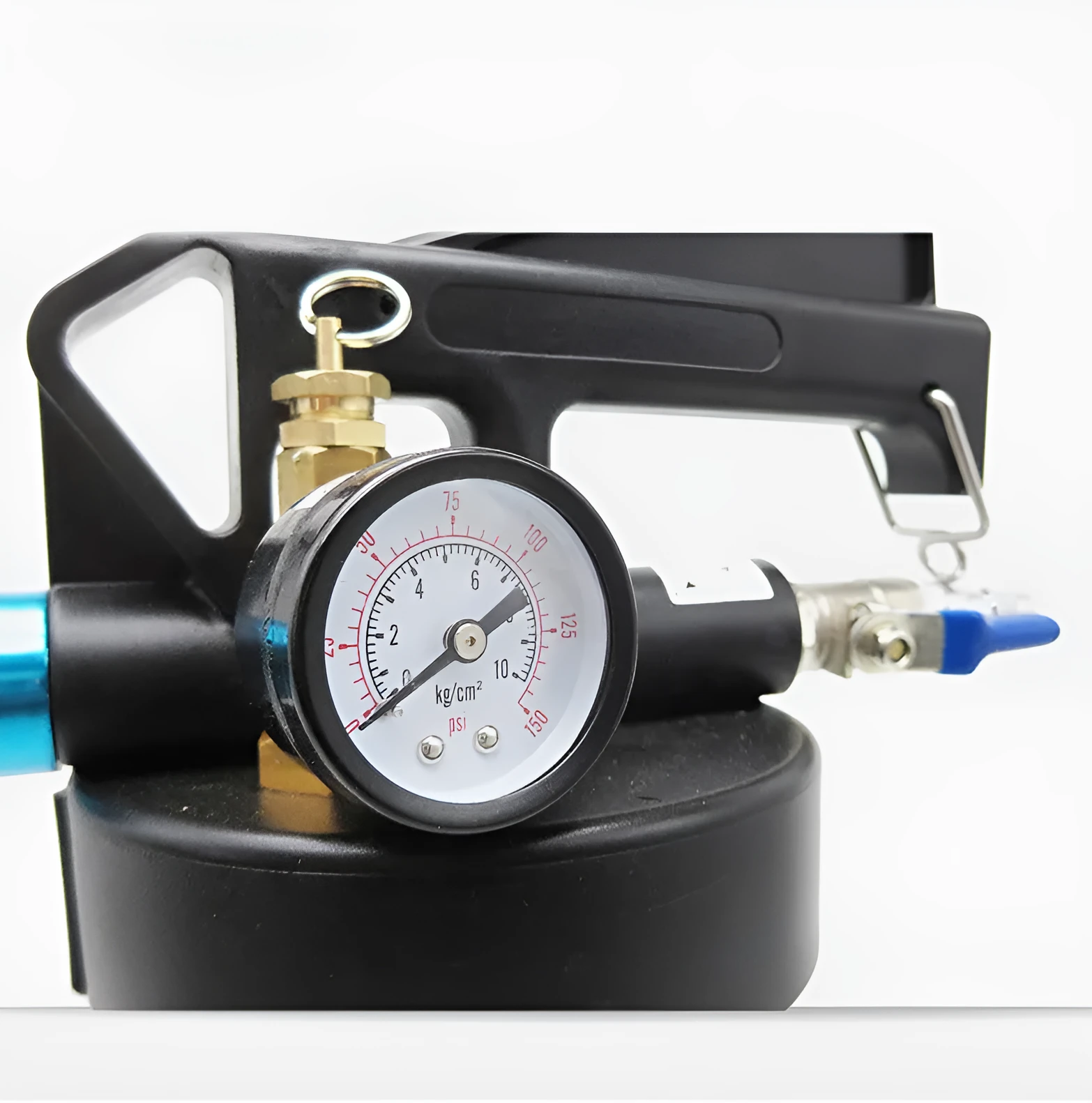
The value of this oil changer lies in its specialised function and the practical choice it offers between two capacity sizes. It addresses a specific, often cumbersome task in vehicle upkeep with a tool built precisely for that job.
Reuse and Low Maintenance
As a durable workshop tool, the machine is designed for repeated use over many service intervals. The pneumatic motor may offer a different maintenance profile compared to electric motors, potentially being simpler or more resistant to certain workshop environments, though specific details on longevity or service requirements are not provided. Choosing between the 10L and 6L model allows the buyer to match the tool's capacity to their typical workload, aiming to reduce waste or the need for mid-job refills.
Why Choose This Product
Select this pneumatic transmission oil changer if your primary need is for a dedicated machine to perform automatic transmission fluid exchanges efficiently. The key decision point is the choice between the 10L and 6L tank capacity, which should be based on the volume of fluid you typically handle. The 220W pneumatic operation makes it suitable for workshops with existing air supply infrastructure, providing a power source that is separate from electrical systems near fluids. It provides a focused solution for a specific, routine maintenance task.
