Plant fixing clip garden plant support clips plastic and zinc construction pack includes large and small sizes for climbing plants tomato cucumber pea vine fixing


Plant fixing clip garden plant support clips plastic and zinc construction pack includes large and small sizes for climbing plants tomato cucumber pea vine fixing
Plastic and zinc plant fixing clips for securing climbing vegetables and vines

These plant fixing clips offer a straightforward gardening solution for training climbing plants without the risk of damaging delicate stems or restricting natural growth. Designed specifically for vegetable gardens and climbing plants, they provide targeted support where plants need it most. The combination of plastic and zinc materials creates a lightweight yet functional tool that can withstand typical garden conditions. With clear guidance on which clip size to use for different plant types—from heavy tomato vines to lighter sweet pea tendrils—these clips help maintain organised and productive climbing plant arrangements throughout the growing season.
Features and Construction

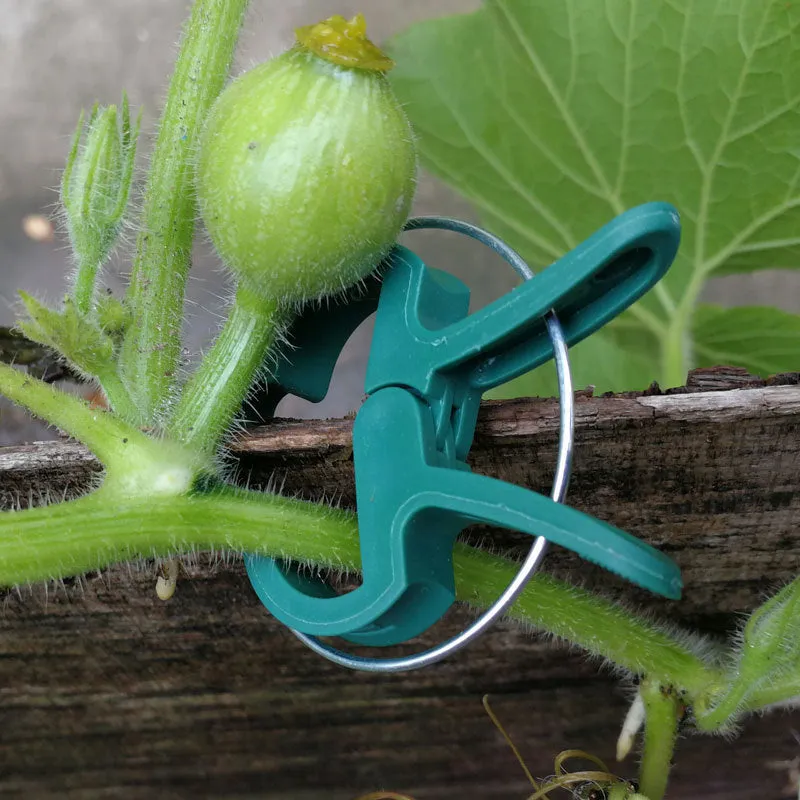
The plant clips feature a simple yet effective design focused purely on their fixing function. Each clip serves the single purpose of holding plant stems in position against supports like trellises, stakes, or wires. The construction utilises two main materials: plastic for the main clip body and zinc for any metallic components. This material choice reflects typical garden tool construction, balancing durability with practicality for outdoor use. The clips come in two distinct sizes—large and small—with specific recommendations provided for which plants suit each size category.
Material and Build
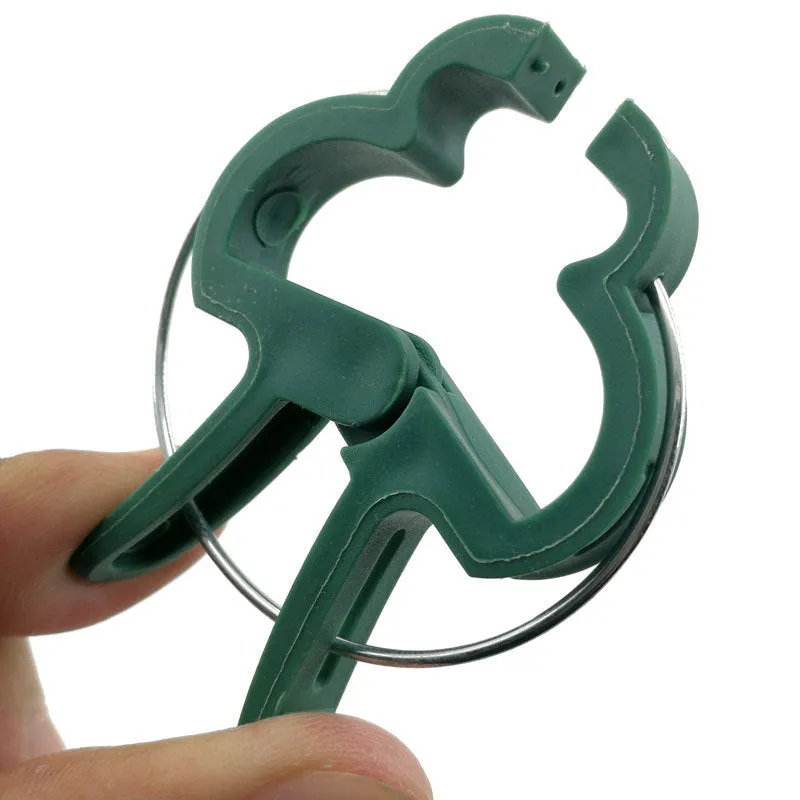
The clips are constructed from environmentally friendly plastic material, described specifically as non-damaging to plants. This suggests consideration has been given to how the clips interact with living plant tissue, avoiding abrasion or constriction that might hinder growth. Zinc components add structural integrity where needed, likely in clasp mechanisms or connection points. Together, these materials create clips that perform their fixing function effectively while minimising potential harm to the plants they support. The green colour provides visual integration with garden foliage.
Size and Practical Fit
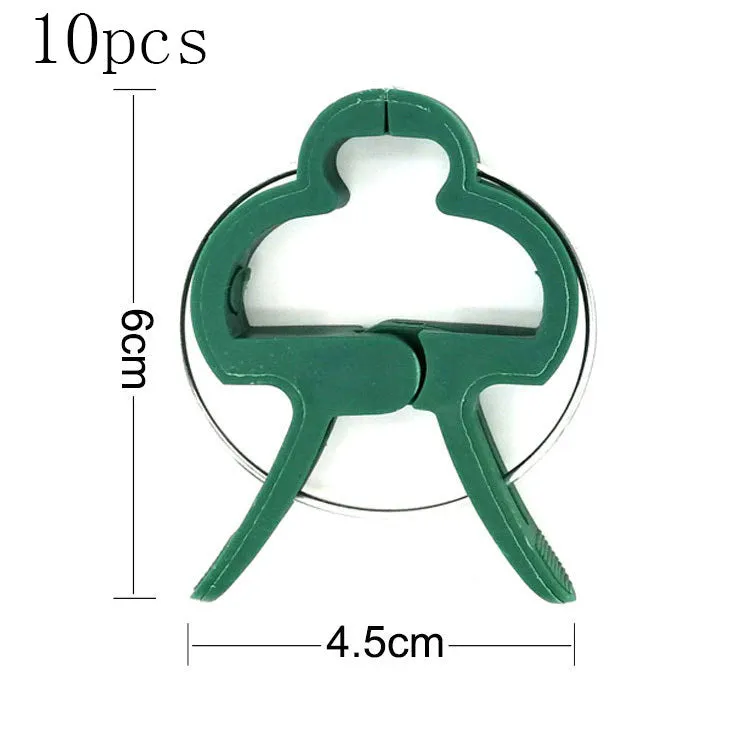
Two distinct clip sizes address different gardening requirements. Large clips are recommended for "strong, sturdy vines" like tomatoes, indicating they can handle the weight and vigorous growth of substantial climbing vegetables. Small clips suit "other small plants" including lighter climbers like sweet peas. This size differentiation allows gardeners to match the support tool to the plant's specific needs, ensuring adequate holding power without excessive clamping force. The clips' design focuses on practical fit—securing plants where they need support without inventing additional features beyond this core function.
Uses and Placement

These clips serve a specific niche within garden plant support systems. They're designed exclusively for climbing plants that require guidance and fixing to structures as they grow upward. The source text explicitly mentions beans, sweet peas, tomatoes, and cucumbers as suitable plants, indicating vegetable garden applications. Placement involves positioning clips at points where plants need directional guidance or attachment to supports. The system works by holding stems in place without restricting their continued growth or development throughout the season.
Event or Professional Use
While primarily designed for home gardening, these clips could support small-scale vegetable production or community gardening projects. Their specific design for climbing vegetables makes them particularly relevant to tomato cultivation, cucumber growing, and pea production—common crops in both home and market gardens. The availability in larger pack sizes (up to 100 pieces) suggests scalability for more extensive planting schemes. Professional applications would focus on their practical function: securing plants efficiently without causing damage that might affect crop yield or plant health.
Everyday Home Use
For home gardeners, these clips simplify the process of training climbing plants in backyard plots, raised beds, or container gardens. They offer a reusable alternative to tying plants with string or twine, potentially saving time during regular garden maintenance. The clear guidance on which size to use for different plants removes guesswork, making them accessible to gardeners of varying experience levels. Their non-damaging design provides peace of mind when handling delicate seedlings or rapidly growing vines that might be vulnerable to abrasion from less considered support methods.
Benefits and Buying Value

The clips' value lies in their focused functionality and material choices that prioritise plant safety. By providing specific solutions for different plant types through size variation, they address a common gardening challenge with appropriate tools. The environmentally friendly plastic material reflects growing awareness of sustainable gardening practices. While the source text doesn't provide longevity data, the combination of plastic and zinc suggests construction designed for repeated seasonal use in typical garden conditions.
Reuse and Low Maintenance
The clips appear designed for seasonal reuse, with materials chosen to withstand typical garden conditions. Plastic and zinc components suggest easy cleaning between seasons and resistance to moisture-related degradation. Their simple mechanical function—clipping plants to supports—minimises moving parts that might fail or require maintenance. Gardeners can likely use them across multiple growing seasons for different crops, storing them clean and dry during winter months. This reusability represents practical value beyond single-season applications.
Why Choose This Product
These clips distinguish themselves through their specific design for climbing plants and clear size guidance for different vegetables. Unlike generic plant ties, they offer dedicated fixing solutions with consideration for plant safety through non-damaging materials. The availability in multiple pack sizes allows gardeners to purchase appropriate quantities for their specific garden scale, from small patio containers to larger vegetable plots. Their value proposition rests on performing a single garden task effectively with materials chosen to protect plants while providing reliable support throughout the growing season.